


This generously planned transitional home spans approximately 5,038 square feet of thoughtfully designed living space that brings together refined style and everyday comfort. With five bedrooms, multiple baths, a three-car garage, and a suite of adaptable living areas, the layout supports the dynamic needs of modern family life. Clean architectural lines, balanced proportions, and purposeful spatial organization create a residence that feels both elegant and deeply livable, with abundant room for connection, retreat, and flexible use.

Exterior & Curb Appeal
The exterior displays a sophisticated transitional aesthetic that blends classic forms with contemporary touches. A welcoming covered front entry and composed rooflines set a tone of relaxed refinement, while mixed siding textures soften visual weight and add depth. Thoughtfully scaled windows bring rhythm to the elevations and invite natural light into interior living spaces. The three-car garage, integrated seamlessly into the design, preserves curb appeal without dominating the composition. Overall, the facade conveys a poised yet approachable presence that adapts to both rural and suburban settings with equal grace.

Interior Layout
Stepping inside, the home unfolds with clear spatial logic. Shared living areas are arranged around a central axis that encourages connection between zones while preserving distinct functions. A generous great room forms the heart of the home, with sightlines that extend into adjoining dining and kitchen areas. Thoughtful transitions guide movement throughout the main level, linking shared spaces with private retreats and flexible rooms. This balance between openness and definition ensures that everyday life feels both comfortable and cohesive.

Kitchen & Living Areas
The kitchen is designed as a functional yet social hub with a large island that offers seating, workspace, and a focal point for conversation. Ample counters and abundant cabinetry support everyday use and entertaining, while an adjacent dining space accommodates both casual family meals and formal gatherings. The great room lies just steps away, fostering connection across central living areas. Natural light pours in through well-placed windows, enhancing the sense of openness and creating an environment that feels bright and inviting throughout the day.

Bedrooms & Bathrooms
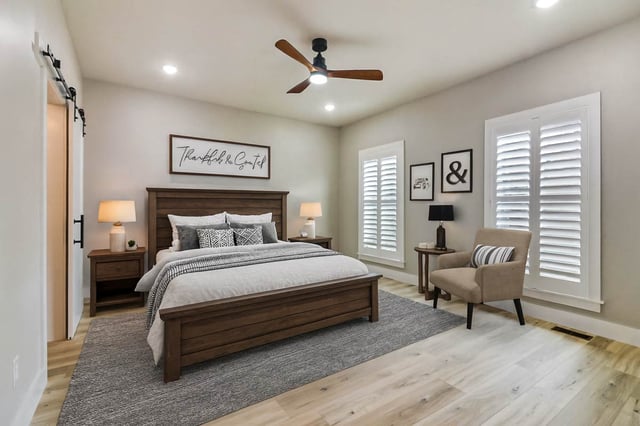
The primary suite serves as a private retreat with generous proportions and an attached bath designed for ease and comfort. Dual vanities, a spacious shower, and thoughtfully arranged storage elevate daily routines. Secondary bedrooms are positioned in a way that balances accessibility with peaceful separation from main living zones. These rooms are well-sized and paired with full bathrooms, creating comfortable accommodations for family members or guests. Their thoughtful placement enhances privacy while maintaining connection to the home’s core circulation patterns.

Bonus & Flex Spaces
This plan includes flexible areas that extend the home’s utility and adapt to changing lifestyle needs. Dedicated spaces can serve as a home office, formal study, craft room, or media zone without interrupting the overall flow of primary living areas. A versatile bonus space provides nearly additional living zone that can be tailored for recreation, creative pursuits, or quiet retreat. The adaptability of these areas adds meaningful square footage that enhances everyday use and long-term functionality.
Outdoor Living
Outdoor living is thoughtfully woven into the design with covered porch areas that expand the home’s usable footprint. These spaces offer natural settings for alfresco dining, relaxed lounging, or social gatherings under shelter. Positioned to foster seamless transitions between inside and outside, the outdoor areas enhance everyday living and broadest entertaining routines. Whether enjoying morning coffee or evening gatherings with family and friends, these exterior zones deepen the home’s connection to its surroundings.

Practical Features
Practicality is evident throughout the home’s layout. A mudroom adjacent to the garage entry supports organized transitions between outdoor and indoor life and helps keep daily routines functional and efficient. Abundant closets and storage niches keep living areas tidy, while strategic placement of windows enhances both comfort and energy performance. Intuitive circulation paths make navigating between bedroom wings, shared zones, and flexible areas feel natural and effortless, reinforcing a home that works beautifully for everyday life.
Lifestyle Value
This transitional home plan appeals to families and homeowners who value versatile spaces, cohesive design, and comfort that accommodates many routines. Shared living zones foster connection and engagement, while private bedrooms and adaptable bonus spaces provide restful retreats and customizable uses. Architectural features such as balanced proportions, contemporary lines, and integrated indoor-outdoor transitions create a home that feels both refined and deeply livable. Whether hosting celebrations or enjoying quiet family evenings, this design supports a broad range of lifestyle needs with comfort and sophistication.
Construction Cost Estimate (United States)
Estimating construction costs for this approximately 5,038 square foot transitional home in the United States depends on several variables including regional labor rates, material selections, and the level of finishes. In areas with moderate labor costs and standard materials, base construction for a home of this size typically falls into an upper mid-range budget category. Selecting premium finishes such as custom cabinetry, designer fixtures, stone or specialty siding, and high-performance systems will elevate the overall investment. Labor costs in metropolitan and high-demand regions are generally higher than in rural areas. Architectural features such as expansive living zones, flexible bonus spaces, and outdoor living areas contribute to framing and finishing expenses. Site conditions, foundation requirements, and desired landscaping also influence total project costs. Early consultation with a local builder helps align design priorities with realistic budgeting and ensures the home is built to meet both functional needs and aesthetic goals.